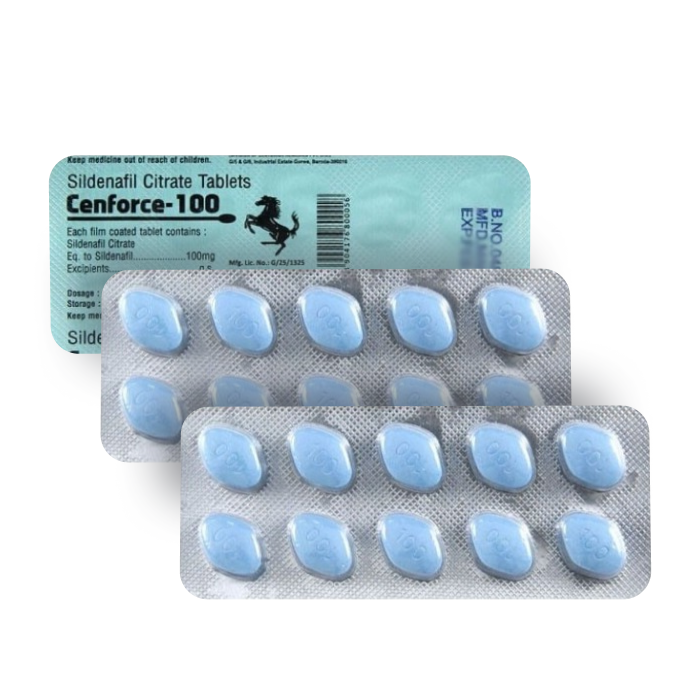
For those exploring options for treating erectile dysfunction, it’s crucial to evaluate the differences in formulation available in the market. This includes the examination of efficacy, costs, and manufacturing practices associated with different versions of the active compound. A focused analysis of these variants reveals substantial differences, particularly in bioactivity and price points.
In assessing effectiveness, both options should theoretically provide similar therapeutic outcomes. However, numerous studies indicate variances in individual absorption rates and consequent bioavailability. The U.S. Food and Drug Administration maintains that a bioequivalence threshold of 80-120% must be met for alternative formulations, yet real-world use often displays wider discrepancies.
The pricing structure between these alternatives can vary significantly, with established brands often costing multiples more than less-known options. Consider the fact that on average, the former may sell for $50 or more for a pack of four tablets, while some alternatives might be available for as little as $10 per pack. Price alone can be a decisive factor in consumer choices.
It is also imperative to review quality assurance practices during manufacturing. A solid regulatory framework ensures that all variants meet specific safety standards; however, oversight may vary internationally. Personal safety should always take precedence; thus, sourcing can significantly influence product reliability. One detailed example is found in ‘Sildigra 250 Mg Tablets Online, which highlights the importance of selecting a reputable supplier.
- Compare bioavailability rates of different options.
- Assess package size versus pricing.
- Research the manufacturer’s reputation and regulatory compliance.
- Consult healthcare professionals prior to purchase.
The structures, pricing, and quality oversight of available medications reveal that while choices may seem straightforward, a deeper investigation can yield critical insights for informed consumer decisions.
How to Evaluate Bioequivalence of Alternative Versions to Original Formulations
To determine if an alternative product aligns with the original formulation, focus on Pharmacokinetic (PK) studies that measure key metrics: peak plasma concentration (Cmax), time to reach Cmax (Tmax), and area under the curve (AUC). According to regulatory standards, the 90% confidence intervals for Cmax and AUC should ideally fall within 80-125% compared to the reference product to establish bioequivalence.
Key Metrics for Evaluation
Analyzing the following characteristics will aid in the assessment:
- Dosage form and strength
- Method of administration
- Release characteristics
- Manufacturing processes
- Stability data
When evaluating PK data, examine the study design which should typically be a randomized, crossover trial involving healthy volunteers. Note the sample size; studies with at least 24 participants provide more reliable results. Ensure that the trials adhere to Good Clinical Practice (GCP) to ensure data integrity and ethical standards.
Assessing Quality of Studies
Evaluate the credibility of the institution conducting the research. Look for studies published in peer-reviewed journals, as they likely involve rigorous methodologies and scrutiny. Also, consult the manufacturer’s product monograph for any discrepancies in formulation compared to the original. This systematic approach ensures reliable decision-making for healthcare professionals and patients.
| Metric | Acceptable Range |
|---|---|
| Cmax | 80-125% |
| AUC | 80-125% |
| Tmax | Not statistically defined |
Comparative Pricing Analysis: Generic vs Brand Sildenafil in Different Markets

For effective financial decision-making, consider the average costs of both options across various regions. A bottle of 30 tablets of the branded product typically ranges from $90 to $120 in the United States. In contrast, its alternative counterpart is priced between $30 and $60 for the same quantity, representing a significant savings potential. Countries such as India and Mexico exhibit even lower price points, with average costs for the generic variant dropping to $20 or less for 30 tablets, making international sourcing a viable strategy for many consumers.
Pricing Summary
| Country | Branded Cost (30 Tablets) | Alternative Cost (30 Tablets) |
|---|---|---|
| United States | $90 – $120 | $30 – $60 |
| India | $70 – $100 | $15 – $25 |
| Mexico | $80 – $110 | $20 – $30 |
- U.S. consumers experience the highest average prices.
- International options can significantly reduce out-of-pocket expenses.
- Price differentials are magnified in developing countries.